The Mask Emma Chamberlain didn't hide her mistakes on camera. She built an entire editing style around pointing at them, and it made her a multimillionaire by 19.
The jarring jump cuts and awkward pauses everyone now imitates weren't leftover footage nobody cleaned up. They were the edit, and the edit is what went viral.
Emma Chamberlain uploaded her first YouTube video, "Morning Routine Life Hacks," on June 2, 2017, three weeks after turning sixteen. It didn't go anywhere immediately. Then, by the end of that July, one video, titled "we all owe the dollar store an apology," took her from around 4,000 subscribers to 150,000 in a single month. That's not steady, organic word-of-mouth growth. That's a specific piece of content hitting a nerve hard enough to change the trajectory of the entire channel overnight.
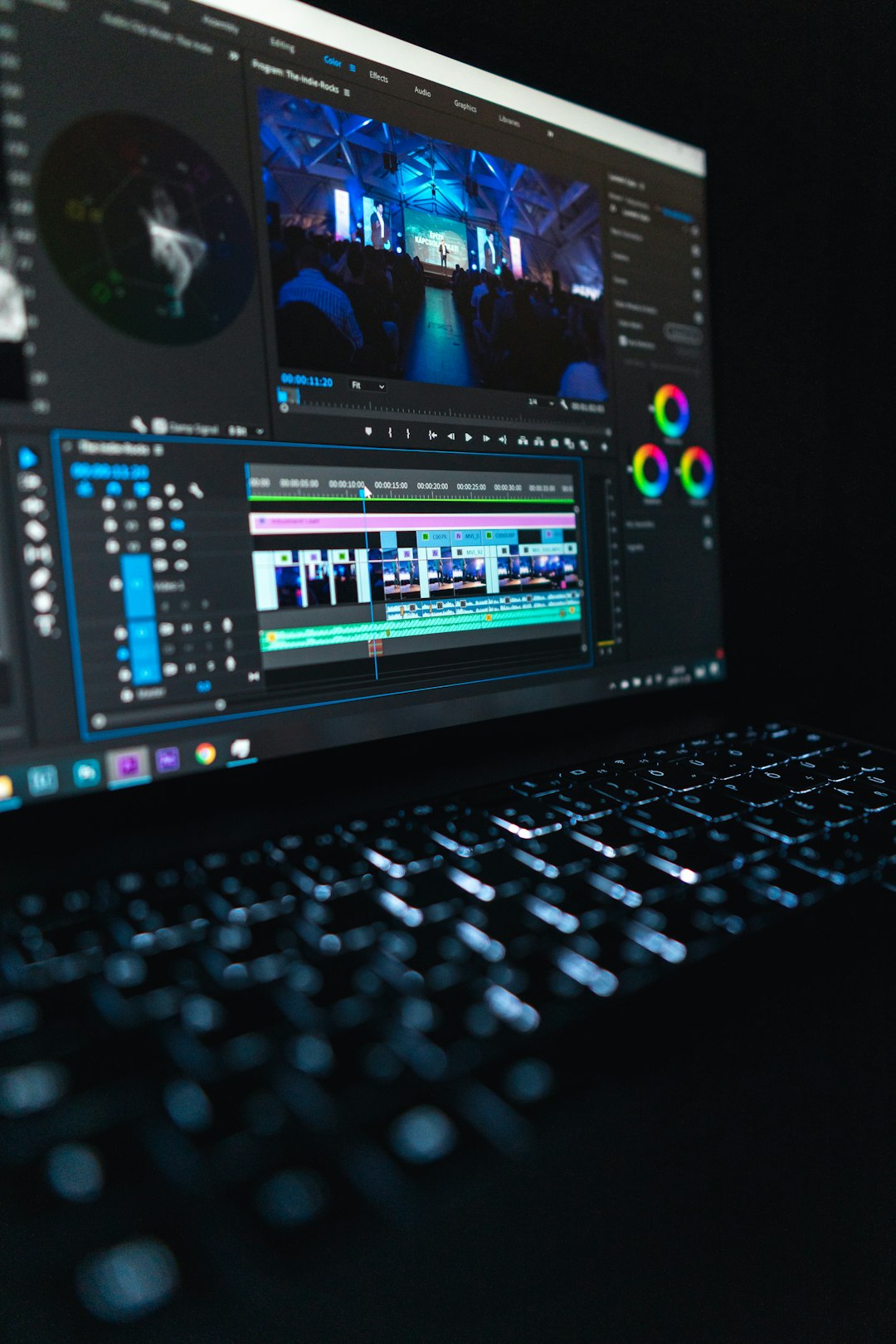
What that video, and the ones that followed it, looked like editorially became its own genre almost immediately: rapid jump cuts, sudden zoom-ins, on-screen text calling out the exact moment something went sideways. The technique doesn't smooth over an awkward beat the way conventional editing would. It hits pause right on top of it and holds the camera there a second longer than a "clean" edit ever would, drawing attention to the exact thing most creators were trained to cut around.
The growth that followed wasn't a slow build either. Chamberlain reportedly added something like 100,000 new subscribers a month through late 2017 and into 2018, crossing one million subscribers by April 2018, less than a year after that first upload. She won the Streamy Award for Breakout Creator that same year, dropped out of high school, and moved to Los Angeles on her own to build a real team around the channel. None of that happened because the editing style was left unedited. It happened because the specific, repeatable choice to point at the mistake instead of hiding it was the thing that made her different from every other lifestyle vlogger doing conventionally clean cuts in 2017.
That's not raw, unfiltered footage. It's a specific, deliberate editing decision, applied consistently enough, video after video, that people started describing it as its own genre and studying it well enough to imitate deliberately. You can't accidentally invent a genre by accident once, let alone repeat it hundreds of times across a channel. Genres get built from a choice made the same way, over and over, until the pattern becomes recognizable on sight to millions of people.
The "unfiltered" video is usually the most edited one in the feed. It's just been edited to look like it wasn't.
Why it worked comes down to a small piece of social math: hiding a mistake reads as polished, which in 2017's crowded, increasingly professionalized YouTube landscape read as one more creator trying too hard. Pointing at a mistake and laughing at it first reads as honest, because it signals the person isn't trying to manage how you see them, even though managing exactly that is the entire job of an edit. The jump cut isn't leftover footage nobody bothered to clean up. It's a decision about which four seconds of "here's the part where I looked dumb" makes the final cut, made deliberately, in a timeline, after the fact, the same as any other creative choice a professional editor makes.
The style caught on widely enough that it eventually became its own kind of polish, the thing people now consciously imitate to signal relatability on purpose, which is its own small irony worth sitting with: a technique built to look like the absence of technique became, itself, a technique with a recognizable name and a traceable origin point. And the business built on top of it kept compounding. Chamberlain launched her own coffee brand, Chamberlain Coffee, in 2019 at seventeen, in partnership with an existing coffee company, and the beta launch reportedly sold out within 24 hours. The brand is now in thousands of retail stores and was projected toward tens of millions in annual revenue within a few years of launch. The persona that started as an editing choice on a laptop became the foundation for an actual company.
The Tell Ask whether the "messy" moment survived the edit by accident, or whether it's framed, timed, and text-labeled well enough that it's clearly doing a job. A real accident gets cut for pacing, the way it would in any conventional edit. A performed one gets kept on purpose, and it usually gets a zoom-in and a caption to make sure nobody misses it.
My take Not a criticism, just a mechanism worth naming precisely because it worked this well. "Effortless" and "no effort" are different claims, and the entire skill on display here was making the first one look exactly like the second, consistently enough to build a real company on top of it.