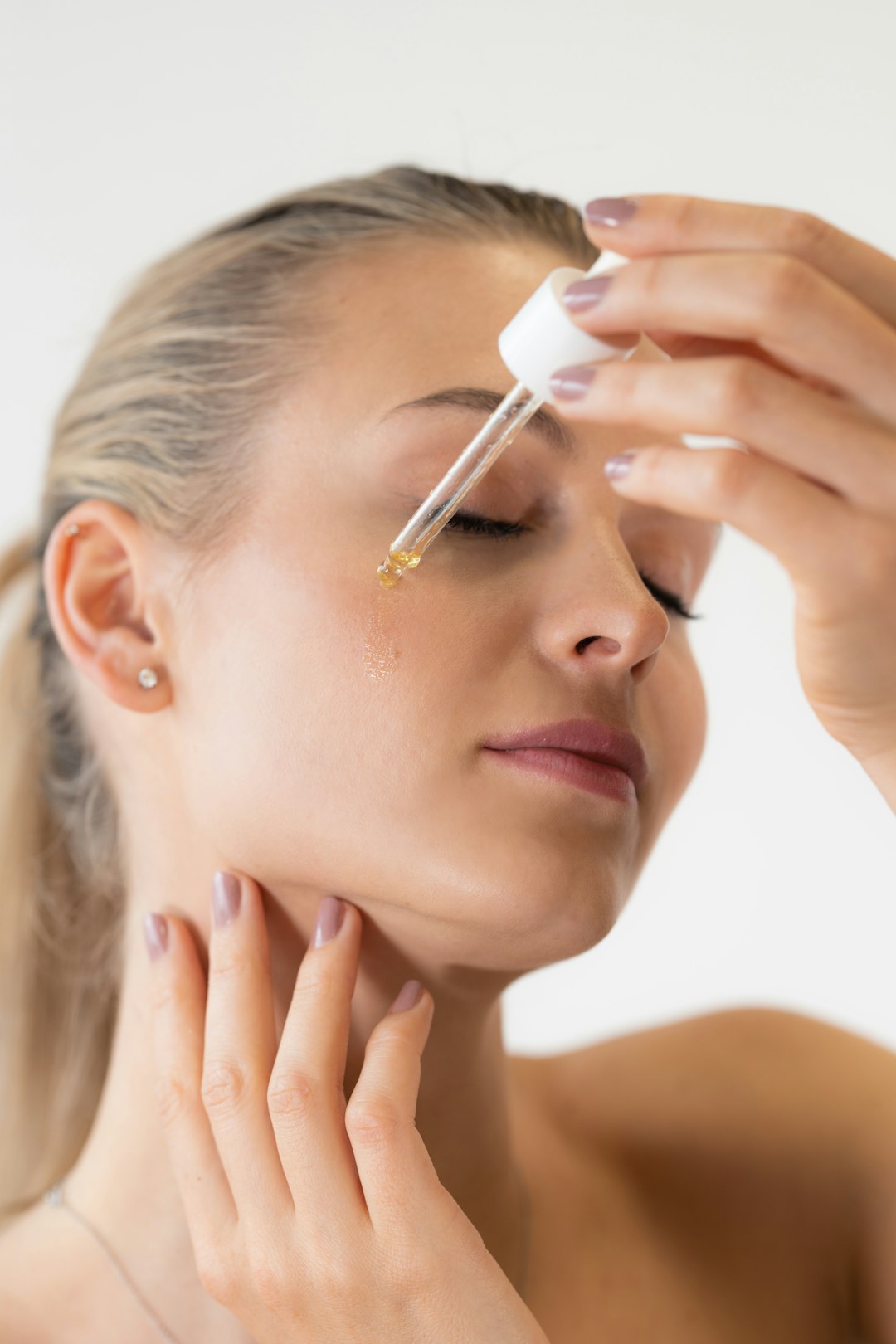
Skin I reacted to snail mucin. Here's the actual question I ask now before trying anything new.
Rosacea doesn't care what the brand claims. The real screening question, and what's actually happening under the redness.
Everyone was using it. The reviews were good, the ingredient list looked gentle, and I put it on my face anyway without doing what I now do every single time. Within a day my skin was worse, not better. Not a huge dramatic flare, just that specific tight-burning-red feeling that tells me something I put on my face this week was the wrong call.
Here's the actual question that would've caught it: not "is this good skincare," but "is this actually safe for my skin specifically, or is the brand just saying that." Those are two different questions and brands only ever answer the first one.
What's happening under the redness
Rosacea isn't one thing with one cause, which is part of why "is this safe" doesn't have a simple yes or no. It's closer to three systems interacting badly at once. Your skin barrier gets easily irritated and stops tolerating things it used to handle fine. The blood vessels and nerves in your face overreact to normal stuff, heat, wind, a hot drink, and cause the flushing and burning. And underneath both of those, there's real inflammation that shows up as bumps or persistent redness. None of that is caused by bad hygiene, and none of it is contagious, it's just how that particular system runs for some of us.
The reason a product can look completely reasonable on paper and still wreck you is that "gentle" and "compatible with an overreactive system" aren't the same claim, even though brands write copy like they are.
"Worked for the reviewer" tells you nothing about whether it works for a reactive system specifically.
The screening question, broken down
Before anything new goes on my face now, I'm asking specifically: does this have fragrance in it (a common trigger, not a maybe). Is there a strong active in here, a retinoid, an acid, something that stings on contact, that I should be testing alone instead of stacking with four other new things at once. And is the brand's "for sensitive skin" claim backed by an actual ingredient list I can read, or is it just the words "for sensitive skin" printed on the front.
Snail mucin specifically isn't a known major irritant across the board, plenty of people use it fine, which is exactly the trap. It's not that the ingredient is universally bad. It's that "worked for the reviewer" tells you nothing about whether it works for a reactive system specifically, and I skipped checking that because the internet told me it was gentle.
One variable, not a full routine overhaul
The useful version of testing isn't wiping out your entire routine and starting from zero, it's changing one thing at a time and watching what happens. Pause the one new product, keep everything else exactly the same for two weeks, and see if the burning and flushing change. If it does, you found your answer without guessing. If your whole routine changes every time something goes wrong, you'll never know what did it.
And when something's actively flaring, that's not the moment to introduce anything new or strong. Bland cleanser, a barrier-focused moisturizer, SPF, and let the skin calm down before testing the next thing. It sounds boring compared to the "try this next" content everywhere, but the boring version is the one that tells you something.
My take I don't think snail mucin is the villain here. I think "everyone's using it" was doing the work "is this actually right for my skin" should have been doing, and that's the failure mode worth watching for, not any one ingredient. The next time something's trending and I want to try it, the question isn't whether it's good. It's whether it's good for what my skin specifically does under stress, and that's not something a five-star review can answer for me.