Packaging Glossier trademarked a color of bubble wrap. The government said no the first time.
It took a year, 98 sworn customer declarations, and pointing at the very brands copying them as proof the pink pouch was worth protecting.
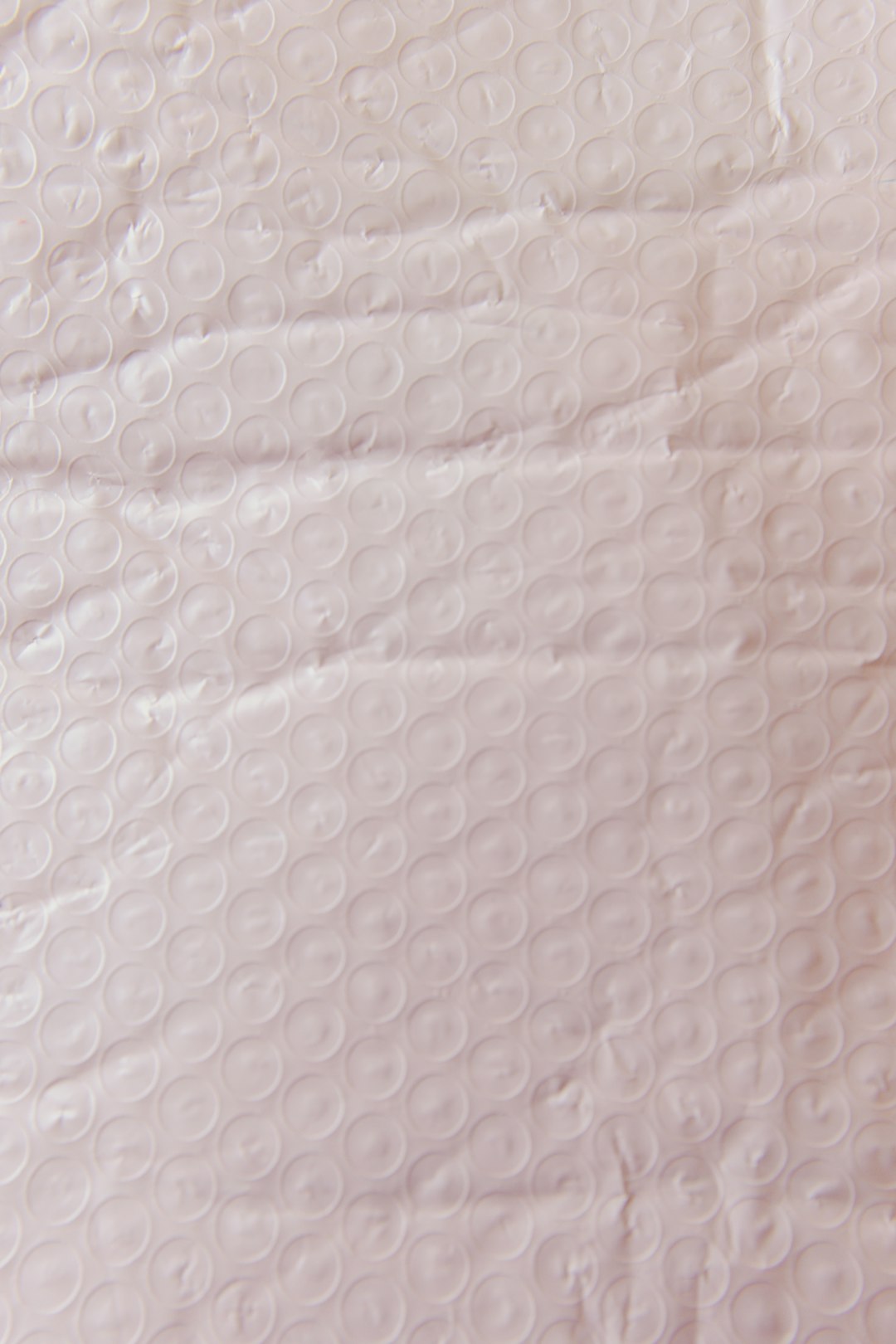
Every Glossier order ships in the same resealable pink zip-top pouch, lined with pink bubble wrap, the same specific shade every time. In spring 2019 the company filed to trademark that exact packaging, the color, the bubble-wrap texture, the whole physical object, as something that legally belongs to them and nobody else in cosmetics. The US Patent and Trademark Office's first response, that same year, was no.
The examining attorney's rejection had two real teeth to it. First, that the pink pouch was arguably a "functional" design, and functional designs generally can't be trademarked no matter how recognizable they get, because trademark law doesn't want one company locking up a useful shape or material forever. Second, and more pointed, that pink wasn't actually distinctive to Glossier in cosmetics packaging at all, the attorney specifically cited Kylie Cosmetics, Sephora, and Petit Vour as other brands already shipping product in pink. If everyone's doing pink, the argument goes, pink doesn't tell a customer anything about who they bought from.
Glossier's response to that rejection is the interesting part, and it's not a design argument, it's an evidence argument. The company came back with more than $100 million in 2018 sales tied to that packaging, real marketing spend built around it, social media volume showing customers photographing and posting it unprompted, and, the detail worth sitting with, sworn declarations from 98 individual customers stating plainly that they recognized the Pink Pouch as Glossier's on sight, with no logo required. That's not a design team asserting their own work is memorable. That's a company going out and collecting proof, one customer at a time, that the memory already existed in real people's heads before the lawyers ever got involved.
And then there's the detail that makes the whole fight almost funny in hindsight: part of what helped Glossier's case was pointing at the competitors already copying the pink pouch. Lookalike packaging showing up on other brands' products became evidence *for* Glossier's trademark, not against it, proof that the look had become valuable enough, specific enough, worth stealing. Being imitated is usually framed as a threat to a brand. Here it became Exhibit A. The trademark finally registered on August 25, 2020, more than a year after the first rejection.
The box wasn't designed to survive shipping. It was designed to survive being posted, and then to survive a year of federal scrutiny proving it.
None of this happened in isolation from how Glossier built the rest of the company, either. Founder Emily Weiss started as a beauty blogger, running a site called Into the Gloss out of a Vogue assistant job, built around a feature called "Top Shelf" where women in fashion opened their bathroom cabinets and talked honestly about what they used. By 2014 that blog had roughly 10 million monthly pageviews and, more importantly, a direct, two-way relationship with the exact audience Weiss would eventually sell to. When Glossier launched as a brand that same year, it launched on Instagram first, not a storefront, not a traditional retail rollout. The pink pouch wasn't a packaging decision bolted onto a normal beauty brand. It was one more piece of a company that had been building a specifically visual, specifically shareable relationship with its customers since before it had any products to sell at all.
That's also why the reusability matters more than it looks like it should. The pouch is meant to be kept, not binned, a makeup bag, a travel pouch, the next thing that ends up in frame. A one-time unboxing photo is a single data point. A pouch someone keeps using for months is a recurring one, showing up in unrelated photos, still doing brand recognition work long after the sale closed, for free, indefinitely.
It's worth understanding why "functional" was even a real objection in the first place, because it's not a technicality, it's the actual philosophy underneath color and shape trademarks generally. If a company could trademark any packaging color it used first, competitors would eventually run out of colors to compete honestly with, which is exactly the outcome trademark law is built to prevent. The bar for clearing that objection is deliberately high: a brand has to prove the color isn't serving some practical purpose (protecting the product, cheap to produce, standard for the category) and that customers have learned to read it as a name, the same way they'd read an actual logo. Tiffany cleared that bar with over a century of consistent use. Glossier cleared it in about five years, which is the fast version of the same proof, not a different standard applied more leniently.
The Tell Ask whether packaging still has a job to do after the product is gone. If a brand's box gets broken down and binned the same day, that's packaging that only had to survive shipping. If it gets kept, reused, or photographed again weeks later, someone designed it to keep working as a media object, not just a container, and it's worth asking whether they'd be willing to prove that in front of a federal trademark examiner.
My take The rejection is the actual story, not the trademark. Anyone can claim their packaging is iconic. Glossier had to go find 98 strangers willing to say so under oath, and even then it took a year.